Indian Wedding Checklist for the Family — Complete Planning Guide

An Indian wedding is not one event — it is a project. A multi-month, multi-vendor, multi-ceremony coordination effort that involves hundreds of people, significant expenditure, and irreplaceable emotional stakes. The families who manage it well are the ones who start early, plan systematically, and track everything.
Phase 1: Nine to Twelve Months Before
- Fix the wedding date — consult a pandit for muhurat
- Agree on budget across both families
- Book the main wedding venue
- Book separate venues for Mehendi, Sangeet, and Reception if needed
- Prepare the master guest list (all relationships, all contacts)
- Begin shortlisting photographers and videographers
- Shortlist and visit catering options
- Begin outfit shopping — bridal lehenga, groom’s sherwani, family outfits
Phase 2: Six to Nine Months Before
- Confirm venue bookings with advance deposits
- Book photographer and videographer
- Finalise caterer and confirm per-head menu
- Book tent house / decorator for outdoor events
- Order bridal and family outfits (allow time for fittings)
- Book the priest (pandit) for all ceremonies
- Book the Mehendi artist(s)
- Book band, DJ, or sound system for Sangeet and Baraat
- Plan accommodation for out-of-station guests
Phase 3: Two to Three Months Before
- Finalise and print physical wedding invitations
- Begin hand-delivering invitations to senior family members
- Send invitations to out-of-city family and friends
- Confirm ceremony-specific guest sub-lists
- Book makeup artist for bride and close family
- Arrange jewellery — confirm loans or purchases from family
- Begin planning Sangeet performances and choreography
- Confirm groom’s horse or decorated car for Baraat
- Order wedding favour / return gifts
Phase 4: Four to Six Weeks Before
- Send WhatsApp digital invites to wider network
- Begin RSVP tracking — call family members who have not responded
- Update caterer with current headcount estimate
- Confirm seating and arrangement at the main venue
- Finalise Sangeet schedule and performances
- Confirm transport arrangements for outstation guests
- Complete all outfit fittings and adjustments
- Purchase all puja items for each ceremony
Phase 5: One to Two Weeks Before
- Confirm final headcount with caterer
- Brief all vendors on schedule and logistics
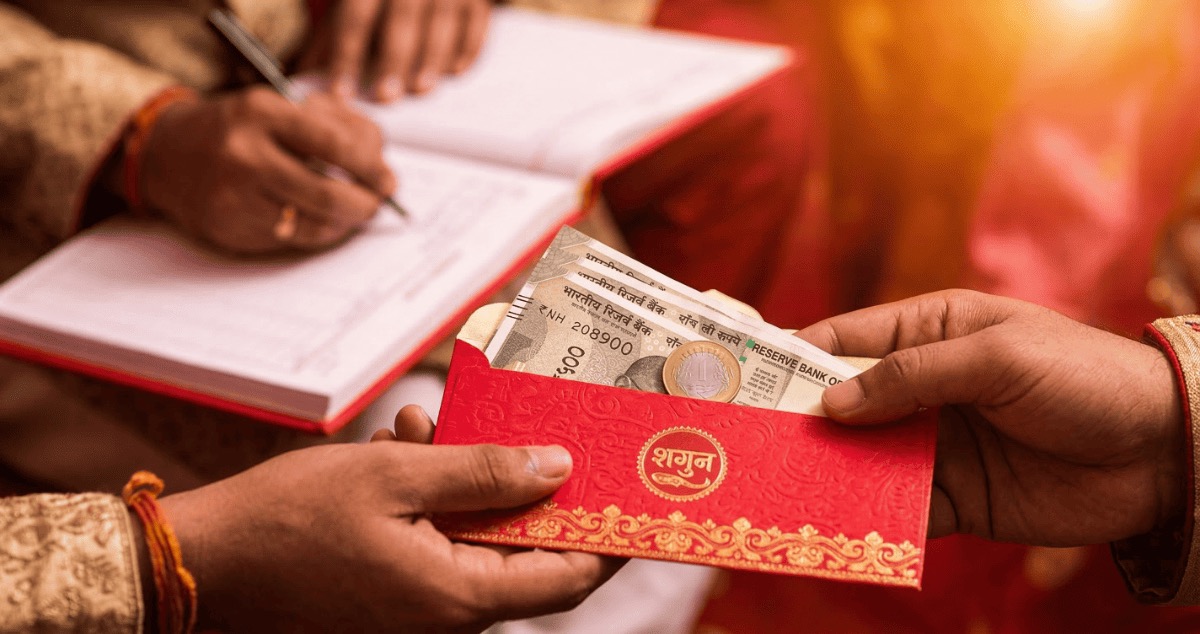
- Designate a Shagun recording coordinator (Munshi) for each ceremony
- Prepare the Shagun recording system — register, app, or both
- Confirm accommodation for all out-of-station guests
- Assign family members to each ceremony coordination role
- Run through the Sangeet program one final time
- Confirm photographer’s arrival time and shot priorities
📱 Manage Your Wedding Guest List in One App Build your master guest list in Nyota — segment by relationship and ceremony, track RSVPs, and set up Shagun recording before the big day. Download free at thenyota.app →
Phase 6: The Wedding Days
- Haldi — paste preparation, intimate guest list confirmed, old clothes ready
- Mehendi — artists confirmed, guest list, food arranged
- Sangeet — venue confirmed, performances rehearsed, DJ/band briefed
- Wedding day — all family members briefed on roles, Shagun station set up
- Reception — venue confirmed, seating arranged, gift table set up
- End of each ceremony — collect and reconcile Shagun records
After the Wedding
- Compile complete Shagun records from all ceremonies
- Send thank-you messages or calls to key guests
- Store Shagun records securely for future reference
- Return borrowed items (jewellery, outfits, equipment)
- Settle all vendor payments
- Plan Griha Pravesh for the couple’s new home
The Secret to a Well-Managed Wedding
Every family that has come through a large Indian wedding with their sanity intact will tell you the same thing: start earlier than you think you need to, assign clear roles to specific people, and never mix up the guest lists for different ceremonies.
Learn More: Read our guide to How to Manage a Wedding Guest List →
Enjoyed this article?
Download Nyota to experience the modern way of gifting yourself.